YOUR SOURCE FOR COLOR
Tourmaline
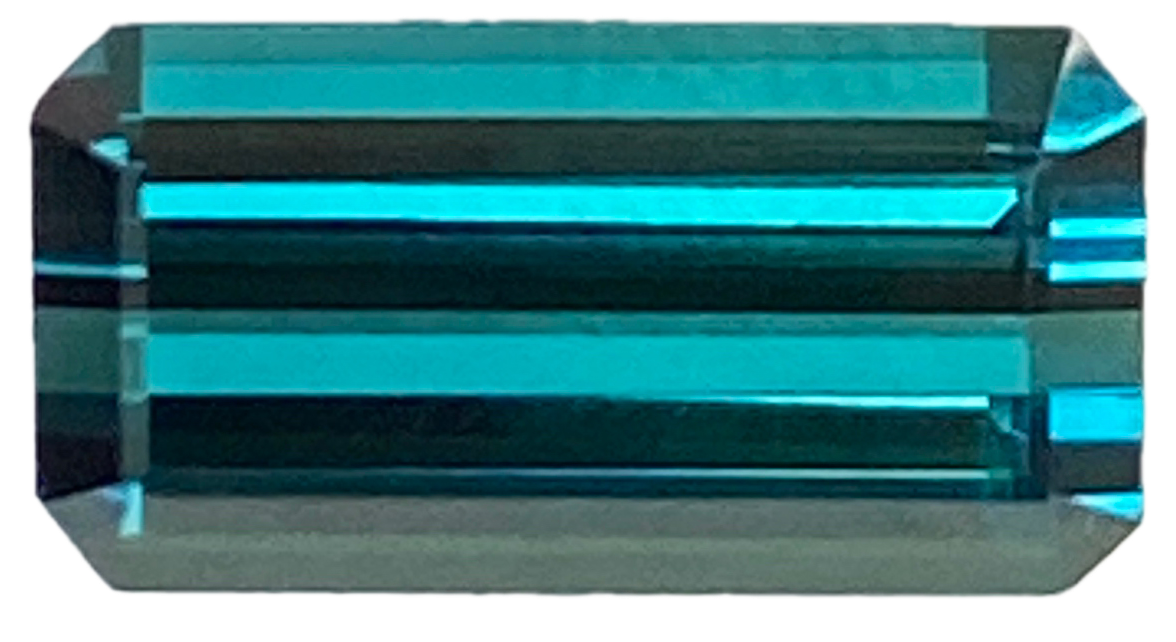
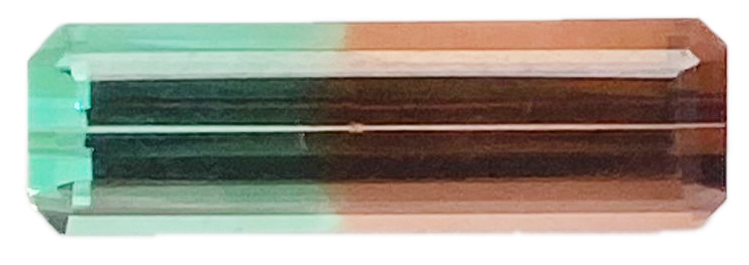
Tourmaline is not a single mineral but a group of closely related silicate minerals that share a common crystal structure yet vary widely in chemical composition, which gives rise to its astonishing range of colors. All tourmalines contain elements like silicon, aluminum, and boron, but they also incorporate mixtures of sodium, lithium, iron, manganese, and other trace elements that influence color and physical properties. The tourmaline group includes several major species such as elbaite, dravite, uvite, and schorl, and they typically crystallize in a trigonal system, forming long, slender prismatic crystals. Because of its varied chemistry, tourmaline can display virtually every hue of the rainbow—from blues and greens to pinks, reds, yellows, and multicolored bicolor and tricolor forms—making it one of the most colorful gem families in the gemological world.
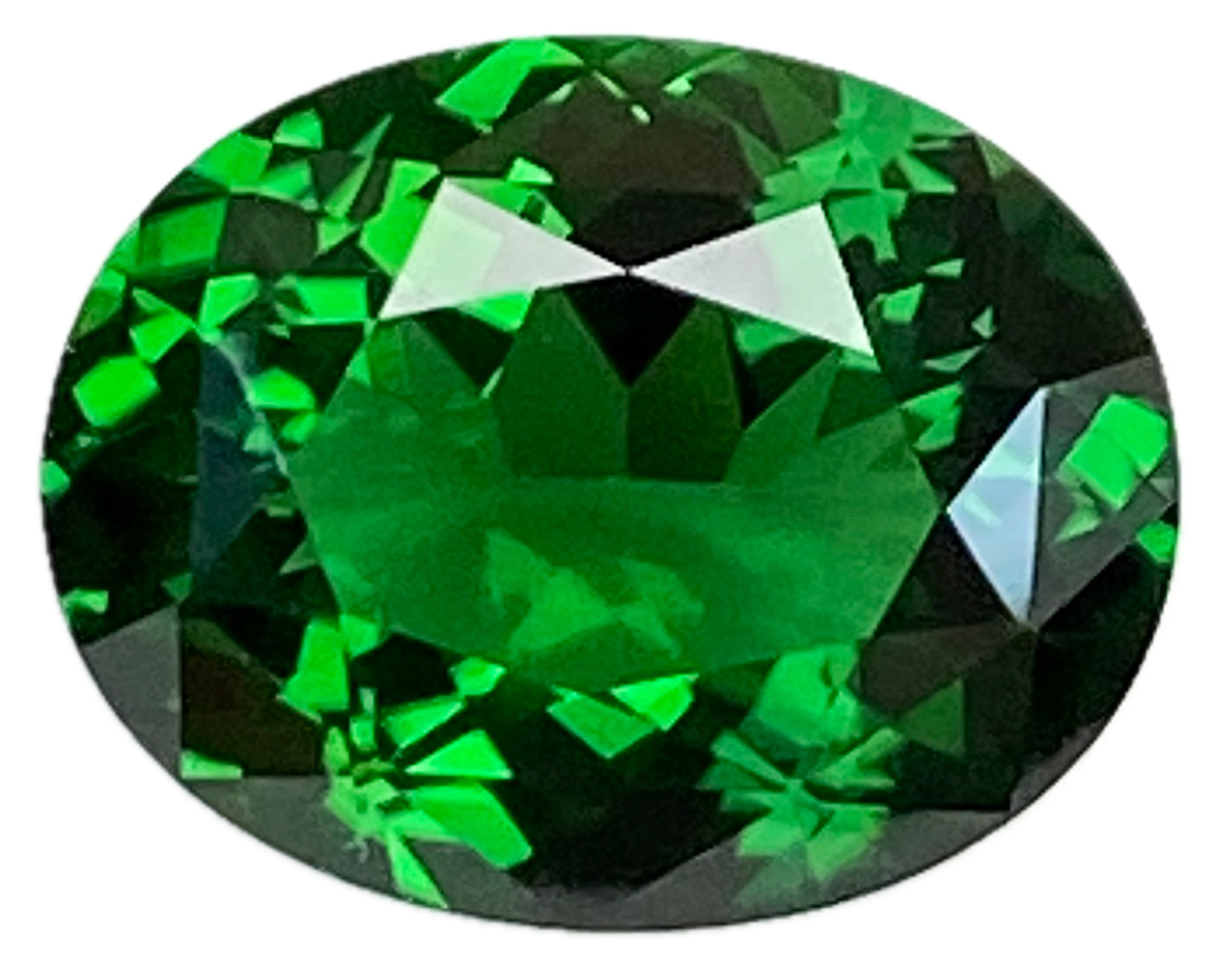

In gemological evaluation, color quality, clarity, cut, and carat weight are key factors that determine a tourmaline’s appeal and value, with richly saturated tones often being the most desirable. Tourmalines often show visible inclusions and color zoning, which reflects changes in chemistry during crystal growth, and these features can help gemologists distinguish natural stones and assess treatments. Unlike some gemstones, tourmaline does not have an established laboratory-grown counterpart, so virtually all tourmalines on the market are natural, though they may undergo heat or irradiation treatments to enhance color. Tourmaline’s physical properties—including a hardness around 7 to 7.5 on the Mohs scale give it good durability for everyday jewelry, while its wide palette of colors continues to make it a favorite among collectors and designers alike.