YOUR SOURCE FOR COLOR

Aquamarine
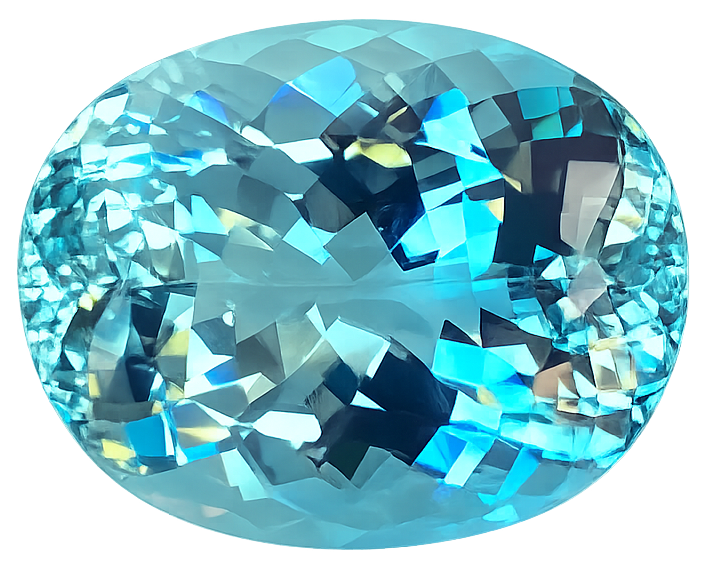
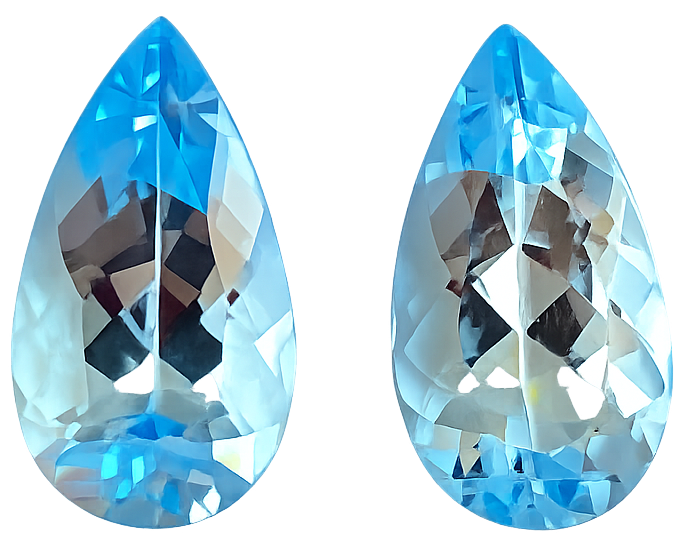
Aquamarine is the blue to green-blue variety of the mineral beryl, with the chemical formula
Be₃Al₂Si₆O₁₈. Its color is caused by trace amounts of iron within the crystal structure, which
absorb light and create its characteristic ocean-like hues. Aquamarine forms in a hexagonal
crystal system and often grows as large, well-defined crystals, making sizable gemstones
relatively common. With a hardness of 7.5–8 on the Mohs scale, aquamarine is durable
enough for most types of jewelry, and its transparency and moderate refractive index give
it a clean, glassy brilliance rather than intense fire.
From a gemological standpoint, aquamarine is evaluated based on color, clarity, cut, and size,
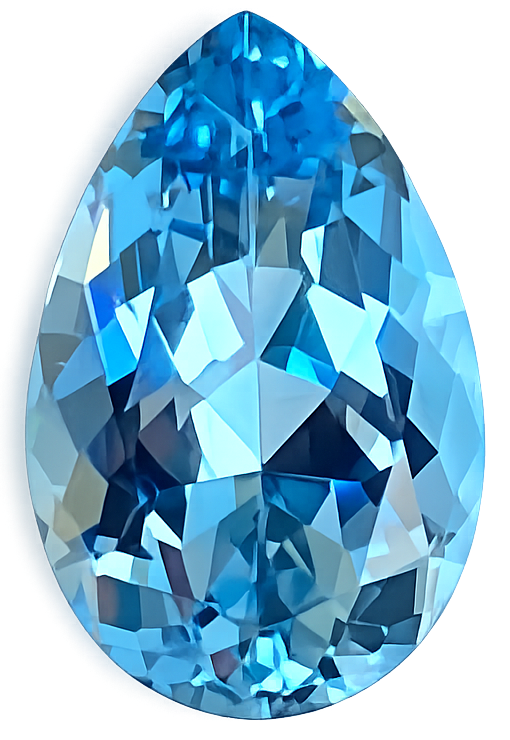
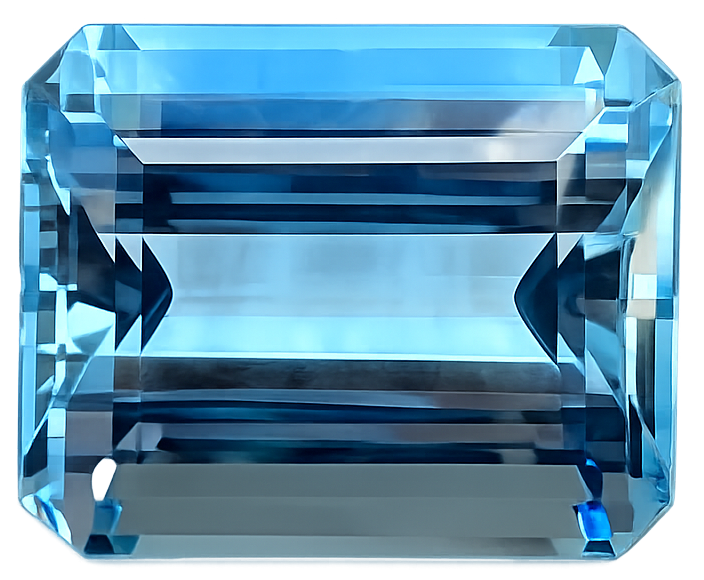
with color playing the most important role in value. Most aquamarines are naturally very
clear, as inclusions are less common than in related gems like emerald. Because the color
is often light, cutters use proportions that help maximize brightness and visual depth. Heat
treatment is frequently applied to aquamarine to alter the oxidation state of iron, reducing
greenish tones and producing a purer blue; this process is stable and widely accepted in
the gem trade. In addition to its beauty, aquamarine’s crystal chemistry and structure
make it an excellent example of how trace elements and geology directly influence
gemstone color and performance.