YOUR SOURCE FOR COLOR

Sapphire
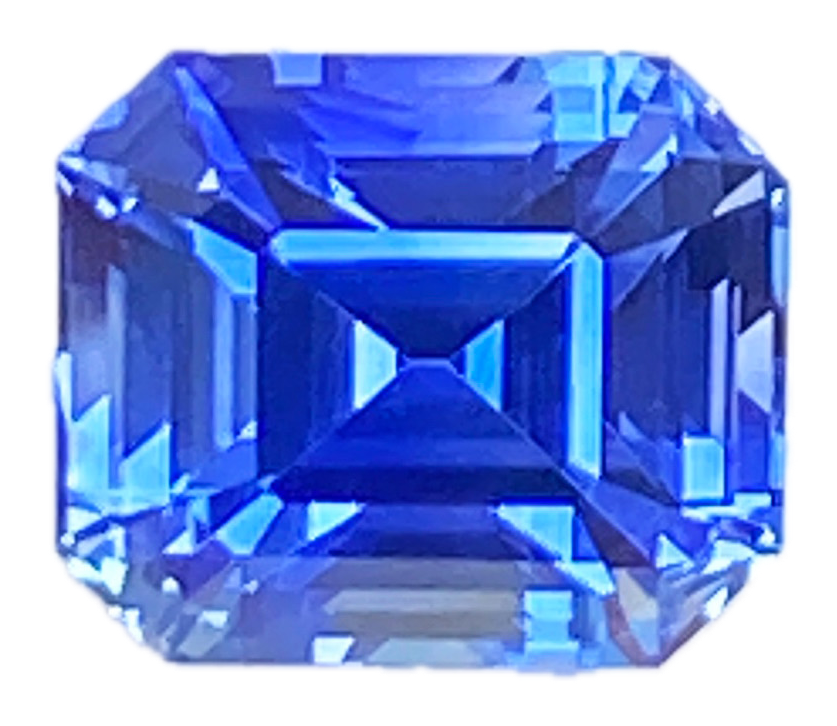
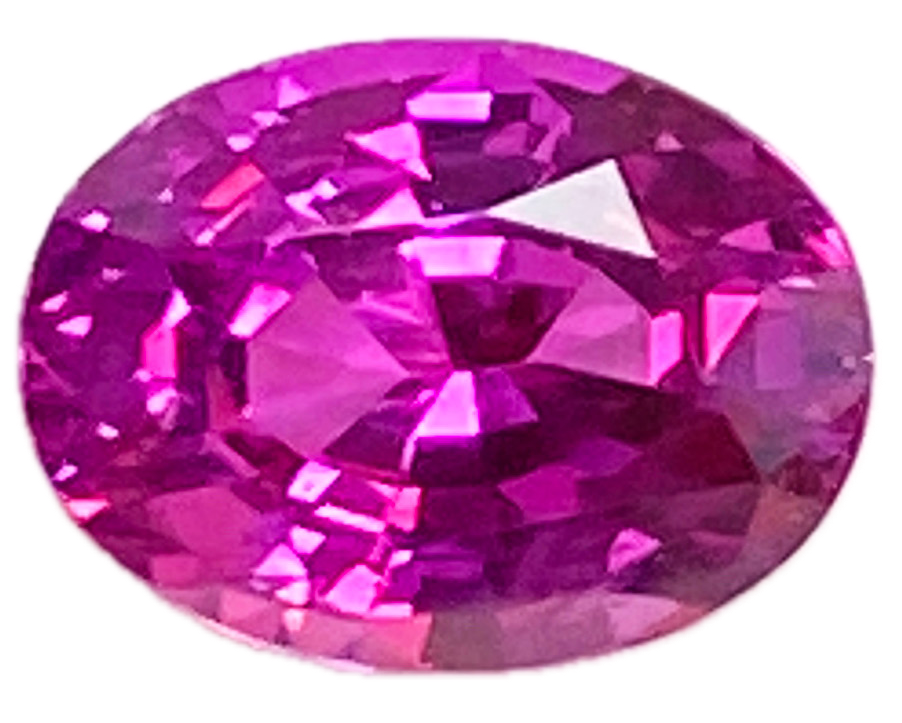
Sapphire is a gem variety of the mineral corundum, which is a crystalline form of aluminum oxide (Al₂O₃)—a simple chemical composition that, in its purest state, is actually colorless. What gives sapphire its range of colors are trace elements (chromophores) incorporated into the crystal structure during growth: iron and titanium produce the classic blue hues most people associate with sapphire, while other elements and combinations can yield yellow, green, purple, pink, and even color-change stones. Corundum’s trigonal crystal system and tightly bonded atomic structure make sapphire exceptionally hard (9 on the Mohs scale) and durable, second only to diamond among natural gemstones. Its refractive index and specific gravity values are consistent and measurable, helping gemologists confirm identity and distinguish sapphire from look-alikes.
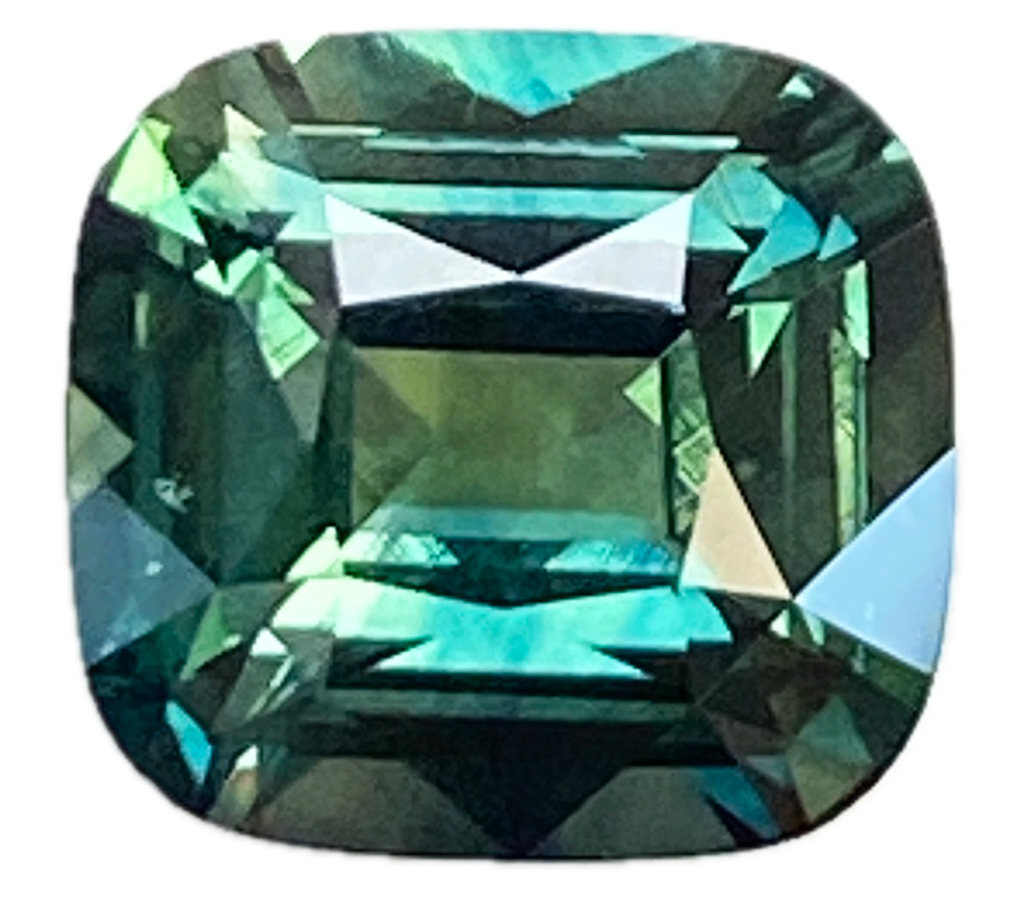
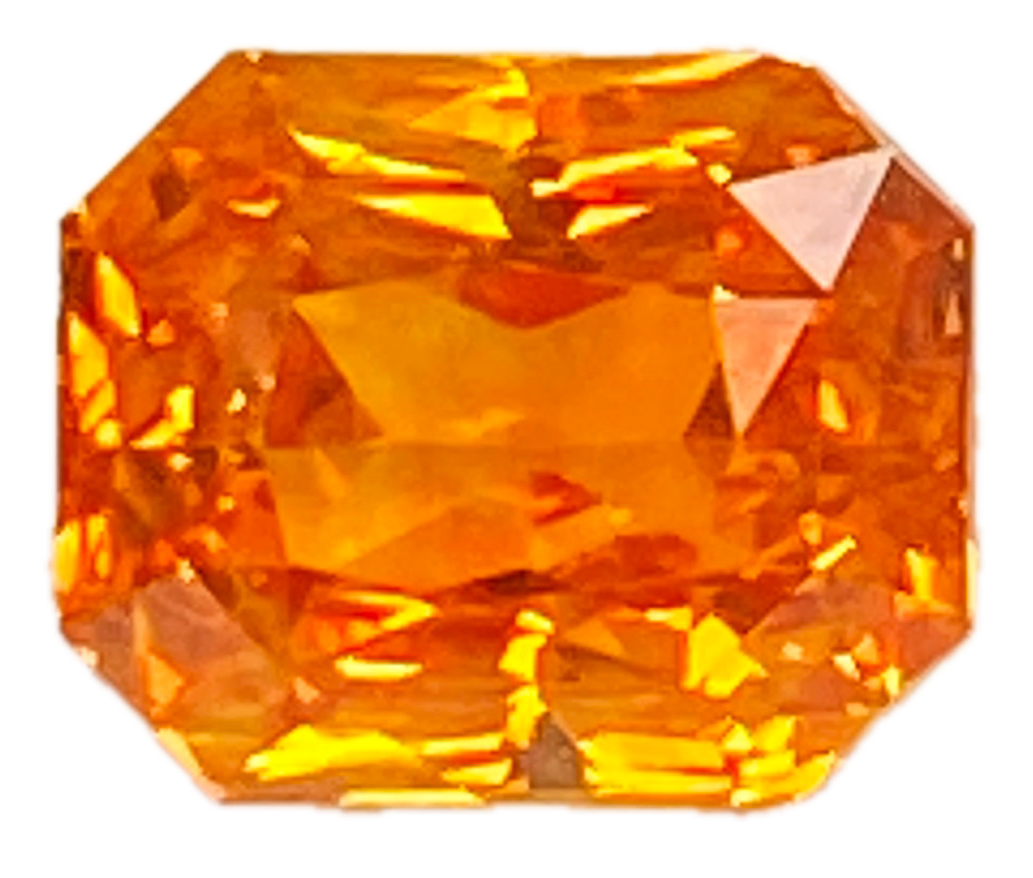
In gemological evaluation, color quality and uniformity are often the most important factors for sapphire value, with strong, vivid hues usually commanding higher prices in the marketplace, although clarity, cut, and carat weight also play key roles. While blue sapphires are most familiar, “fancy sapphires” describe non-blue corundum (everything except red, which is ruby), and each color category has its own appeal and market niche. Sapphire may contain natural inclusions or features that help experts distinguish between natural, treated, and synthetic stones using specialized instruments and microscopy; treatments like heating can enhance color or clarity and are common in commercial sapphires. Beyond its scientific and gemological attributes, sapphire has a long cultural history as a symbol of nobility and truth and remains a coveted choice for fine jewelry such as engagement rings and statement pieces.